

Opening: March 13 at 06:00 PM
Scope BLN Project Space and Cinema Room
Lübecker Str 43 10559 Berlin
We no longer encounter technology as a tool; we encounter it as a condition of intimacy. In a culture where attraction is swiped, gender is iterated, and sex circulates as data, intimacy no longer begins with touch. It begins with code within systems — platforms, algorithms, hormones, sensors, databases. Bodies meet through digitized fields before they meet each other in reality.
TECHNOLOGY OF DESIRE: Queer Relations in the Posthuman Age explores how queer subjectivity is shaped within this interweaving of the biological, the digital, and the synthetic. As gender and identity become increasingly fluid, the exhibition asks not who we are. Instead, it asks how we transform ourselves within the technology.
Inspired by Donna Haraway’s cyborg, the posthuman here is not speculative — it is everyday life. AI, biometric tracking, and hormone therapies expand possibilities while quietly structuring them. The body is organic and coded at once. Virtual presence provides new opportunities, but it also exposes us to surveillance.
“new erotic realism”
For queer communities, this dynamic carries a particular charge. Queer life has always relied on coded languages and hidden spaces within hostile structures. Today, those spaces often exist online. Dating and porn networks, algorithmic moderation, machine-generated images, personal avatars, and pharmaceutical protocols simultaneously enable and regulate queer existence. Pleasure becomes information, and information becomes value. Greater visibility overlaps with post-capitalist manipulation and deeper forms of political and economic control.
Yet TECHNOLOGY OF DESIRE is not a nostalgic mourning for a lost “natural” state. There is no return to purity. The posthuman condition does not erase desire — it reshapes it and totally revolutionized it.

What emerges is a “new erotic realism”: intimacy networked, a co-production of bodies, hybrid changing sexual identities and encounters with non-human intelligence.
Anton Stoianov
It seems that this “new erotic realism” has influenced the icon by Anton Stoianov, combining medieval painting technique and the concept of gender as biopolitics. The work deconstructs the patriarchal iconography by synthesizing it with insectoid morphology and female biological markers. In this post-human future, gender is no longer a social construct of the Anthropocene, but a fluid, hybrid force of biological resilience.
Paweł Reczek
A ritual tradition in materiality can also be found in the work by Paweł Reczek, where into an atavistic and historically persistent notion of the body is implanted the concept of the collection and management of biometric data. At first glance, the absurd interaction between the deeply natural and the advanced digital provides a perspective. Showing the continuous metamorphosis of the organic with the technological appearance of the contemporary archetypes of our bodies.
Jane Garbert
In the work by Jane Garbert, the two glass objects suggest connection and reaction — the acidic environment of the lemon is supposed to be the battery accumulating electricity, and the cable is supposed to be the conductor. At the same time, the “copulation” turns out to be impossible. The objects remain non-functional because of their “fake” nature, as they are made of glass. A work that delicately hints at the often (im)possible imaginary contact.
Chang Gao
The opposite of this — the electricity in the interactive installation by Chang Gao is fully functioning, connecting the sculptures through built-in electronics. Desire is a dynamic process between human bodies and technologies. The sensors and the skin conductivity of the participating viewers serve as techno-erotic metaphors. Intimacy extends beyond skin-to-skin contact. Naturally transfering into technological infrastructures and algorithmic systems.
Alejandro Montero Bravo
Alejandro Montero Bravo’s two works explore the idea of how the internet in the past created an illusory space for unlimited queer freedom. At the same time, the works reflect on how today’s digital world is increasingly shaped by real forces of power and conservative norms, transforming what once felt like an escape from reality into a controlled and often toxic extension of reality.
Viktor Petrov
The installation by Viktor Petrov transforms “Scouting for Boys” — archival guides containing racist, militaristic and machismo information on how to become a Boy Scout. The three interpretations of the covers lead to the present day. Drug use is the chemical basis of desire. Endless searches on dating platforms locate real people. Digital “cloning” refers to recurring patterns of gay male appearance — from Fire Island to Rio, Berlin or Tel Aviv.
Jakob Urban
Jakob Urban’s monochromes “collect” real profile pictures from the queer dating platform ROMEO (formerly GayRomeo) via screenshots. They explore aspects of anonymity, non-open sexuality, and hidden desires. The interest is focused on self-censorship, the communication of intimacy “undercover” and the sacrifice of visual attractiveness in favor of an attempt to avoid digital self-exposure.
Gabriel Gutierrez Morales
The film by Gabriel Gutierrez Morales tells the story of a generation that grew up on dating apps like Grindr and Tinder. These apps are a virtual but real place where you are not alone. You are in a protected environment. Romanticizing the routine of texting, showing up at strangers’ homes, the pleasure, the disappointment, and the quiet journey back to yourself when you delete Grindr to start all over again the next morning.
Lee Mun Wai
Lee Mun Wai’s solo dance performance intertwines fashion, sexuality, desire, and reflects on how current technologies of our social interactions shape the way we visually desire and experience bodies. Simultaneously sculptural and fluid, his body encounters and tries to incorporate two grossly oversized, two-dimensional garments, designed by Romanian fashion designer Dinu Bodiciu.
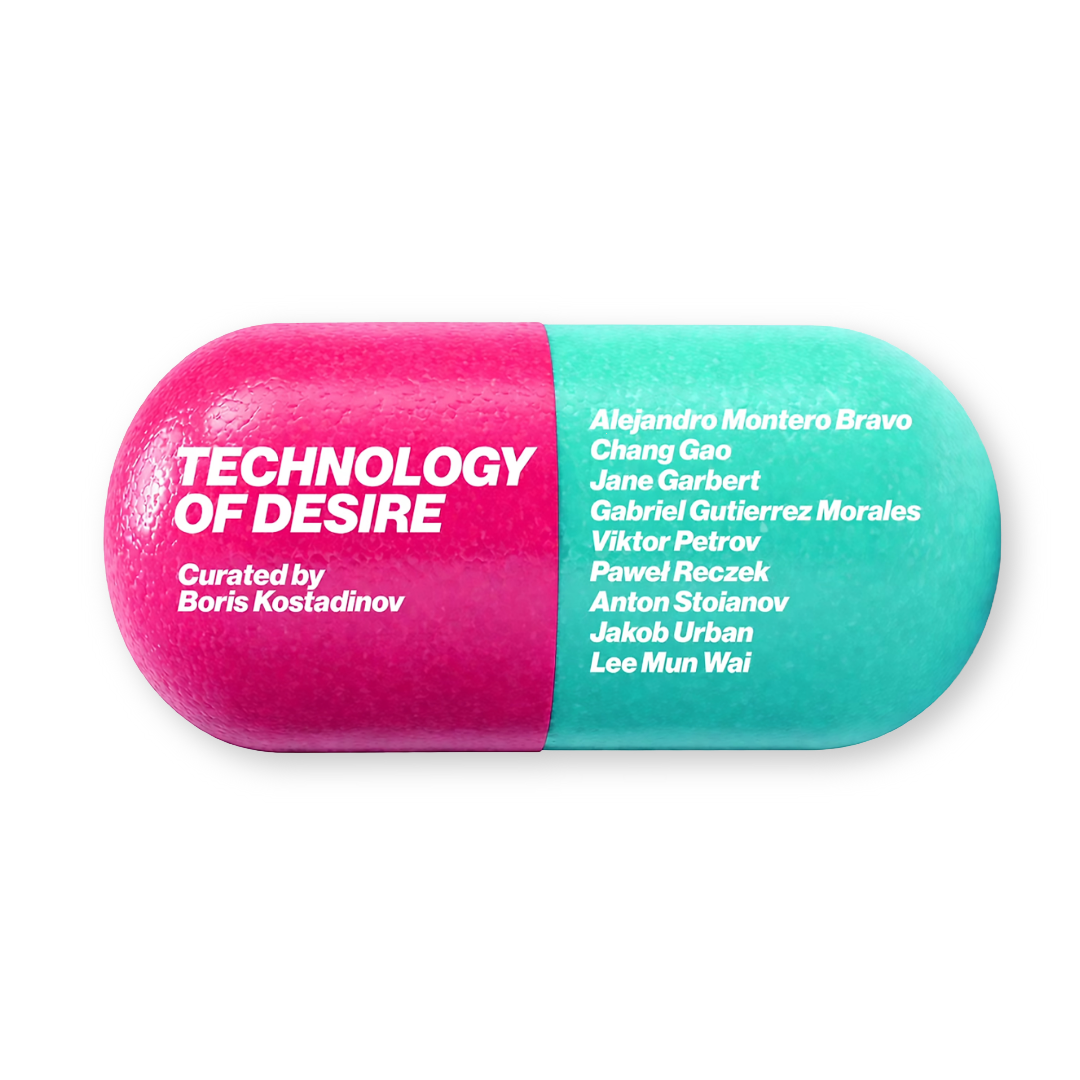
Ausstellung: TECHNOLOGY OF DESIRE Queer Relations in the Posthuman Age
Alejandro Montero Bravo, Chang Gao, Jane Garbert, Gabriel Gutierrez Morales & Viktor Petrov. Paweł Reczek, Anton Stoianov, Jakob Urban & Lee Mun Wai.
Curated by Boris Kostadinov
Opening: Friday, March 13 at 6:00 PM
March 13 – April 17, 2026
The research part of TECHNOLOGY OF DESIRE is supported by Recherchestipendien Bildende Kunst 2025 by Senatsverwaltung für Kultur und Gesellschaftlichen Zusammenhalt – Berlin
About Scope BLN
Scope BLN is a contemporary art initiative in Berlin-Moabit. Its international Artists-in-Residence program provides an open platform for multidisciplinary artists and cultural practitioners. They can showcase their work, gain wider recognition, and expand their professional network in Berlin. Scope BLN’s exhibition space develops its program in collaboration with curators, artists and artistic groups, aiming to create new audiences of contemporary art.
Scope BLN was founded by Maya Miteva and Boris Kostadinov.
It is curated by Boris Kostadinov and supported by Miteva Collection.
scopebln.org
Copyright (C) 2026 SCOPE BLN gUG. All rights reserved.

You must be logged in to post a comment.